
Dial & Centering Indicators
3 από 3 products
Filter by
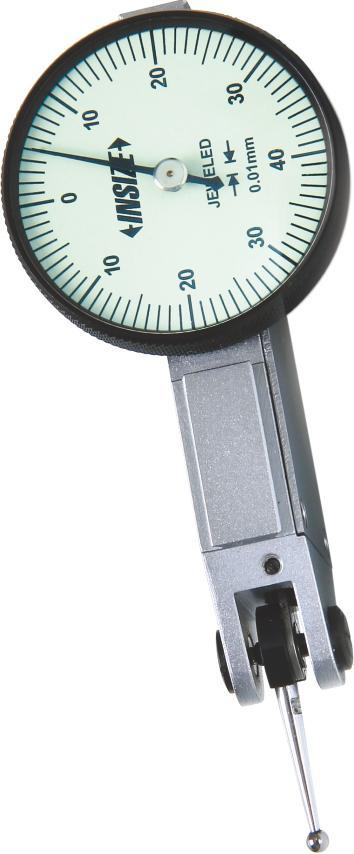

2380
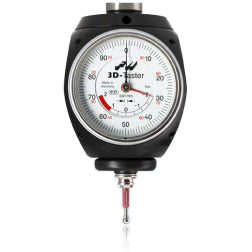
Dial Test Indicator
Translation missing: en.product_price.item.price.range_html
Original price
€0,00
From €55,30€68,57
without VAT
From €55,30€68,57
Current price
€55,30€68,57
Available
Jeweled bearing Carbide pins Two measurement directions Non-magnetic body Includes 2 clamping accessories: for shafts Ø4mm and Ø8mm Optional acc...
View full details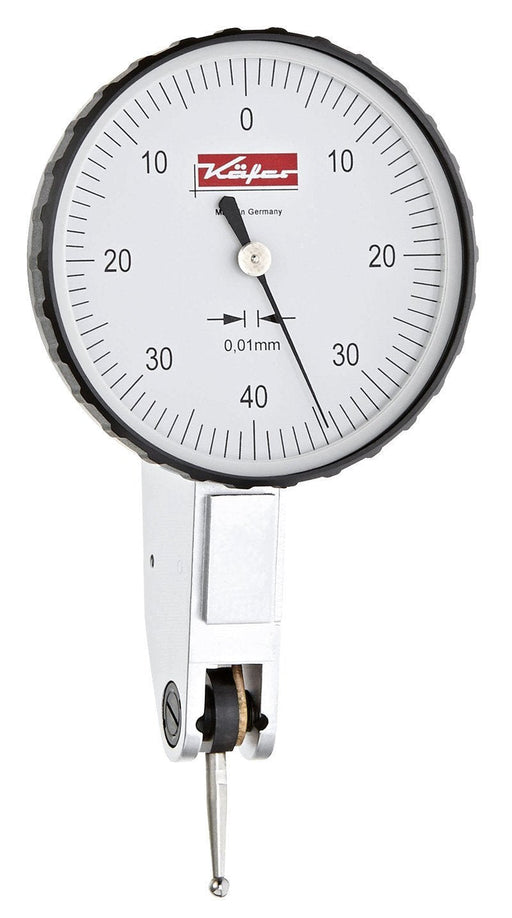

K 30 K 40
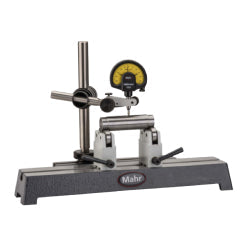
Dial Indicator Centering Gauge
Translation missing: en.product_price.item.price.range_html
Original price
€0,00
From €109,00€135,16
without VAT
From €109,00€135,16
Current price
€109,00€135,16
Available
Dial test indicator from the German manufacturer Kafer. Probe length 12.8 mm Displacement range 240° Accuracy according to DIN 2270 The clutch me...
View full details
K 49 AD
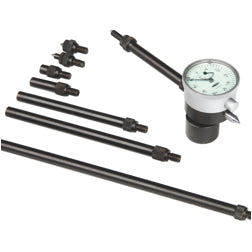
Dial Indicator
Translation missing: en.product_price.item.price.range_html
Original price
€0,00
€163,00€202,12
without VAT
From €163,00€202,12
Current price
€163,00€202,12
Available
Model K 49 AD features a water-protected dial casing. The transparent front cover, made from durable plastic, provides a good seal for the dial...
View full detailsDial indicators are precision instruments that measure small linear displacements via a spring-loaded plunger, displayed on an analog dial. They are used to verify runout, parallelism, height, depth and thickness in machining and quality inspection.
Available in multiple travel ranges and resolutions, with different dial diameters, stem configurations and protection options for coolant/dust. You’ll also find dial test indicators for angular contact measurements, from Insize, Kafer & Mahr.
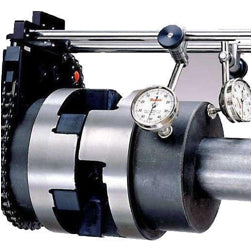
Common setups include use with a magnetic base or as a comparator for alignment on lathes, mills and inspection benches.



Guides
Dial Indicators
Manufacturers

