
Hardness Testers
6 από 6 products
Data Out
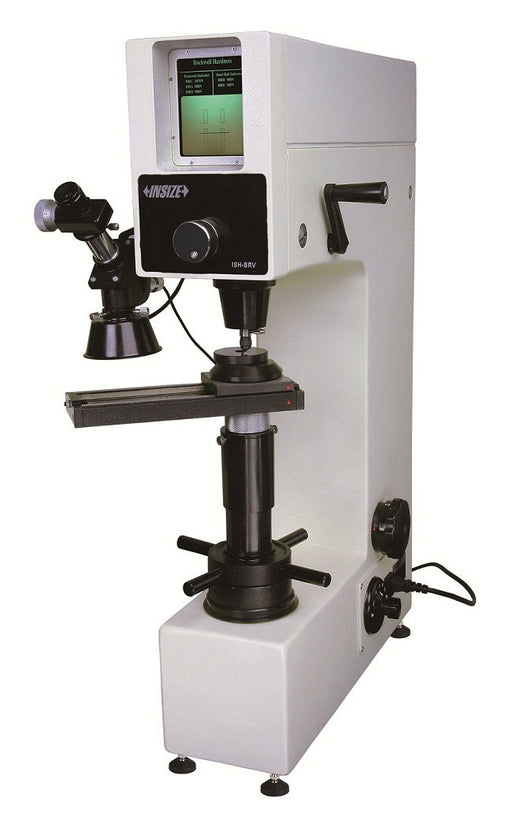

ISH-BRV
Brinell - Rockwell - Vickers - Desktop Digital Hardness Tester
Translation missing: en.product_price.item.price.range_html
Original price
€0,00
€7.466,00€9.257,84
without VAT
From €7.466,00€9.257,84
Current price
€7.466,00€9.257,84
By order
Features: Preliminary test force: 98N Test force: 588N, 980N, 1471 N Minimum Rockwell reading: 0.5 HR Brinell test load: 306, 613, 1839 N Vickers ...
View full details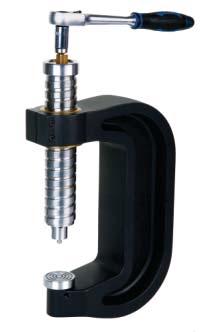
ISHB-P101
Brinell Hardness Tester
Translation missing: en.product_price.item.price.range_html
Original price
€0,00
€3.566,00€4.421,84
without VAT
From €3.566,00€4.421,84
Current price
€3.566,00€4.421,84
By order
Features: Measurement range: 100 ~ 350HBW (including Ø7.26mm indenter), 350 ~ 650HBW (with Ø4mm indenter, optional) Accuracy: static test: ± 3%, ...
View full details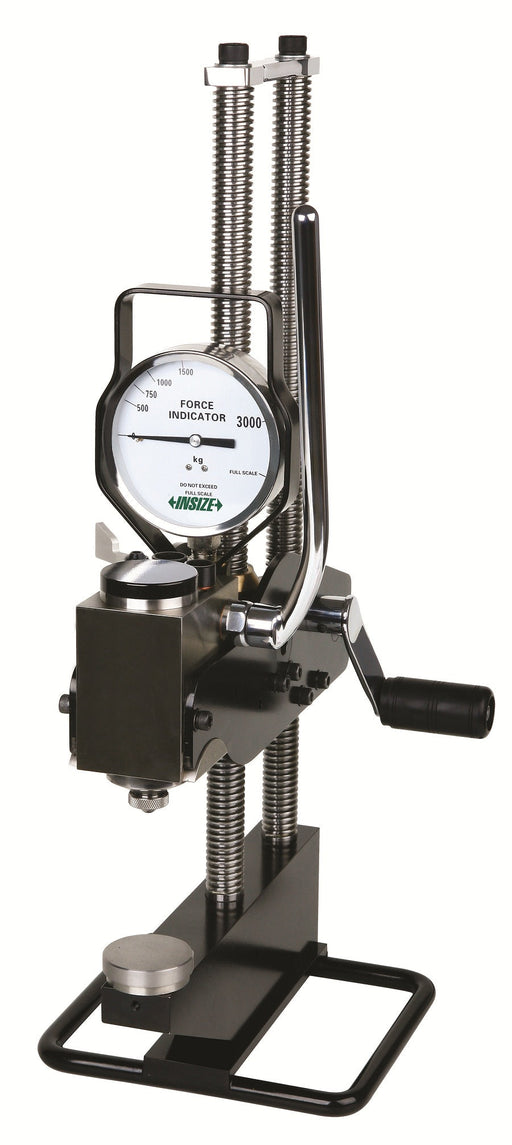
ISHB-H131
Brinell Hardness Tester
Translation missing: en.product_price.item.price.range_html
Original price
€0,00
€10.758,00€13.339,92
without VAT
From €10.758,00€13.339,92
Current price
€10.758,00€13.339,92
5-8 Working days
Features: Measurement range 16 ~ 650HBW Test force: 3000kg Indenter: carbide ball with a radius of Ø10mm Measuring microscope: 20x, reading: 0.01...
View full details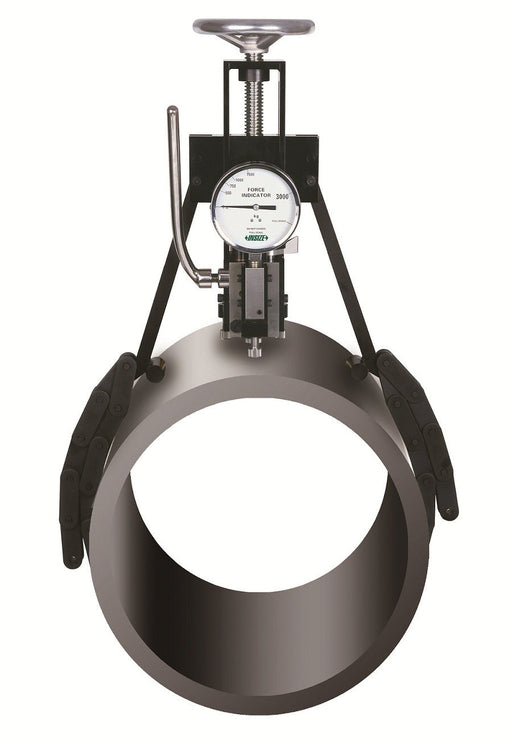
ISHB-C161
Hydraulic Chain Type Brinell Hardness Tester
Translation missing: en.product_price.item.price.range_html
Original price
€0,00
€9.732,00€12.067,68
without VAT
From €9.732,00€12.067,68
Current price
€9.732,00€12.067,68
By order
Features: For hardness measurement of rollers or tubes Measurement range: 32 ~ 650HBW Specimen diameter range: Ø150mm - Ø500mm Test force: 3000kg ...
View full details
HDT-DM310
Desktop digital Rockwell/ Superficial Rockwell hardness tester - Touch screen

Translation missing: en.product_price.item.price.range_html
Original price
€0,00
From €12.409,00€15.387,16
without VAT
From €12.409,00€15.387,16
Current price
€12.409,00€15.387,16
By order
Technical Specifications Powered by electric motor (no weights) Dolphin-nose type structure for greater measuring space Measurements in 30 Ro...
View full details
HDT-BRV
Digital Hardness Tester Brinell - Rockwell - Vickers - Touchscreen
Translation missing: en.product_price.item.price.range_html
Original price
€0,00
€6.012,00€7.454,88
without VAT
From €6.012,00€7.454,88
Current price
€6.012,00€7.454,88
By order
Technical Specifications Type: Brinell, Rockwell, Vickers Test Force: Brinell: 306.5N to 2451.6N (31.25kgf to 250kgf) Rockwell: 588N, 980N,...
View full detailsBench hardness testers are quality-control instruments that determine hardness by indentation, applying a controlled test force to an indenter and evaluating penetration depth or imprint size. They are used to verify heat treatment results and material consistency on metal parts.
Available options cover Rockwell (HRA/HRB/HRC), Brinell (HBW) and Vickers (HV) methods, with different test loads, indenter types, analog or digital readout, and calibration/certification support, from Insize.
Suitable for machine shops, QC labs and production, with key selection factors being the test scale, load range and specimen geometry.

Manufacturers
