
Test Stands for Force Gauges
7 από 7 products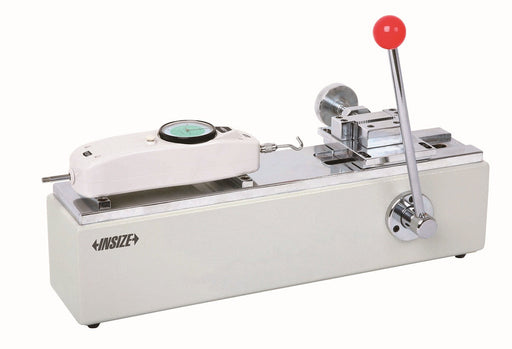

ISF-H20A
Horizontal Base for 500N Dynamometer, Tension Only
Translation missing: en.product_price.item.price.range_html
Original price
€0,00
From €575,00€713,00
without VAT
From €575,00€713,00
Current price
€575,00€713,00
5-8 Working days
Stroke: 60mm Range: 500N / 50kg Weight: 9kg Dimensions: 450 x 185 x 170 mm Only for tensile testing
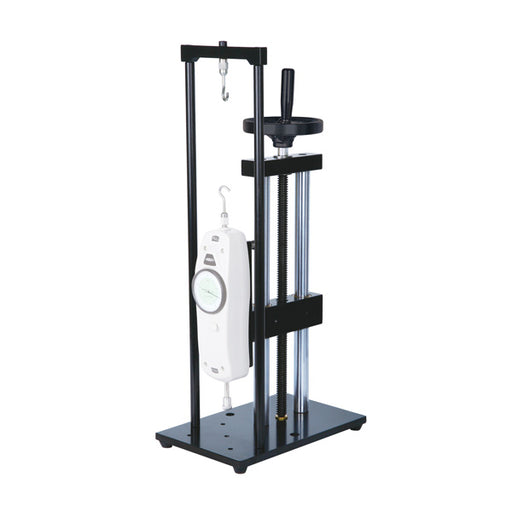
ISF-MT500
Dynamometer Base 500 N - Vertical and Horizontal
Translation missing: en.product_price.item.price.range_html
Original price
€0,00
€278,00€344,72
without VAT
From €278,00€344,72
Current price
€278,00€344,72
5-8 Working days
Tension and Compression For vertical and horizontal mounting Range: 500 N Travel: 150 mm (3mm vertical displacement per revolution) Dimensions: 1...
View full details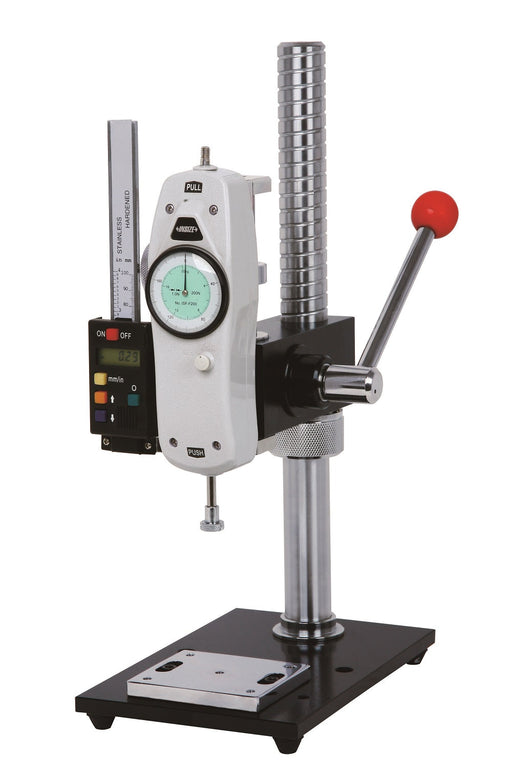
ISF-V10A
Vertical Base for Dynamometer 500 N - Compression Only
Translation missing: en.product_price.item.price.range_html
Original price
€0,00
From €514,00€637,36
without VAT
From €514,00€637,36
Current price
€514,00€637,36
5-8 Working days
Dimensions: 152 X 235 x 425 mm Weight: 10.7 kg Range: up to 500 N / 50kg Stroke: 70 mm Maximum height of the object to be measured: 280 mm
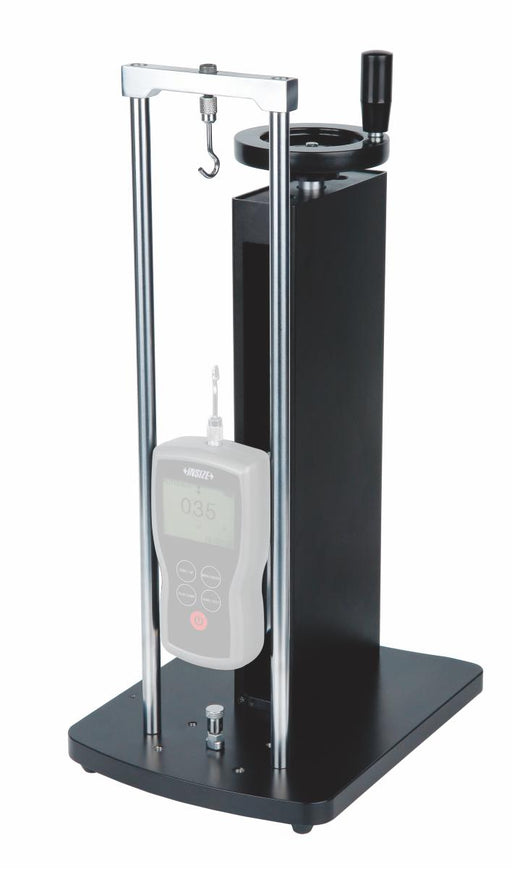
ISF-MT1K
Dynamometer Base 1000 N - Vertical and Horizontal
Translation missing: en.product_price.item.price.range_html
Original price
€0,00
From €118,00€146,32
without VAT
From €118,00€146,32
Current price
€118,00€146,32
5-8 Working days
Tensile and Compression For horizontal or vertical mounting Range: 1000 N Stroke: 200 mm Dimensions: 196 x 250 x 446 mm Weight: 13 kg
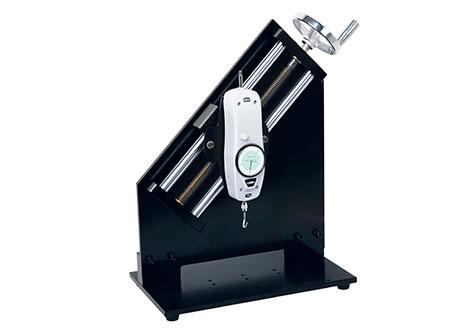
ISF-P30A
Dynamometer Base 45° 500 N
Translation missing: en.product_price.item.price.range_html
Original price
€0,00
From €755,00€936,20
without VAT
From €755,00€936,20
Current price
€755,00€936,20
5-8 Working days
Range: 500 N / 50 kg Horizontal travel: 170 mm Dimensions: 420 x 215 x 480 mm Weight: 22kg Stripping angle: 45º
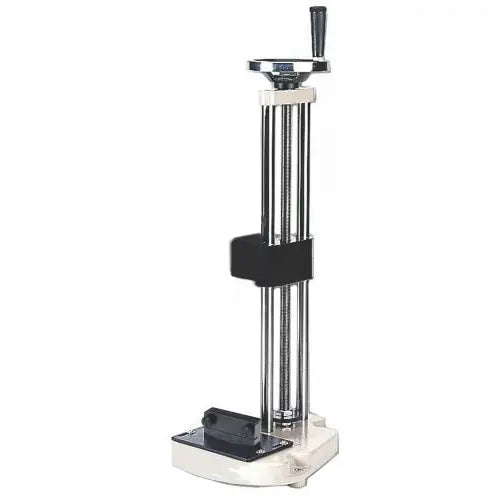

LTS-20
Vertical Dynamometer Base 1000 N
Translation missing: en.product_price.item.price.range_html
Original price
€0,00
€680,00€843,20
without VAT
From €680,00€843,20
Current price
€680,00€843,20
By order
Force range max. 1000 N / 100 kg / 220 lbs Travel distance max. 345 mm / 13.6" Spindle pitch 2 mm / 0.07" Hand wheel Ø 120 mm / 4.7" ...
View full details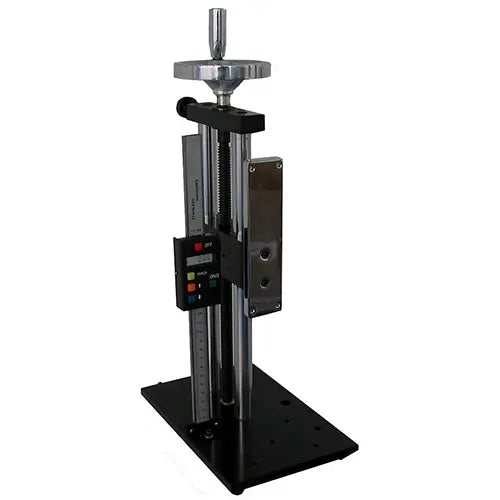
PCE-FTS50
Vertical Digital Dynamometer Base 500 N
Translation missing: en.product_price.item.price.range_html
Original price
€0,00
€664,00€823,36
without VAT
From €664,00€823,36
Current price
€664,00€823,36
By order
Test Stand PCE-FTS50 - with digital measuring distance display - maximum operating length of 236.36 mm / 9.30" - total length of 50...
View full detailsTest stands for force gauges are rigid fixtures designed to perform controlled push/pull force measurements with handheld force gauges, improving repeatability and overall measurement accuracy. By keeping the gauge and specimen aligned, they reduce operator influence, support consistent test speed and travel, and help implement standardized QA procedures in both lab and production environments.
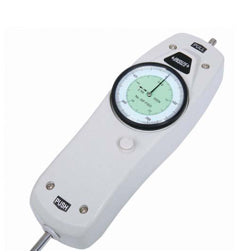
This collection includes manual stands and feed-assisted designs with adjustable travel, robust columns, and mounting options for common force gauge formats. Solutions are available for compression and tension testing, with choices in load capacity, throat depth, and fixture interfaces, from PCE Instruments and Insize. Depending on the application, compatible accessories such as hooks, platens, and clamping adapters can be used to match different specimens and test setups.
Test stands are widely used by engineers, technicians, and QC teams for material strength checks, assembly verification, switch actuation force, packaging tests, and component validation across manufacturing, R&D, and maintenance operations.
Manufacturers

