

















































































































































Test Dial Indicators
3 από 3 products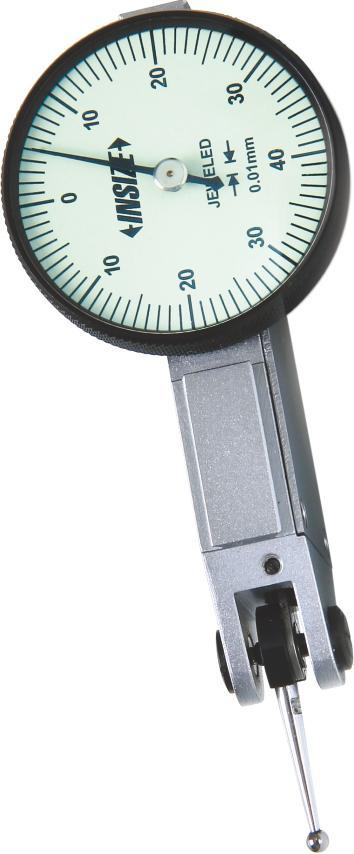

2380
Dial Test Indicator
Translation missing: en.product_price.item.price.range_html
Original price
€0,00
From €55,30€68,57
From €55,30€68,57
Current price
€55,30€68,57
Available
Jeweled bearing Carbide pins Two measurement directions Non-magnetic body Includes 2 clamping accessories: for shafts Ø4mm and Ø8mm Optional acc...
View full details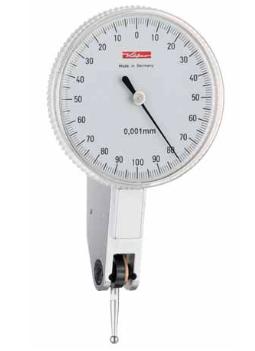

K 49 AD
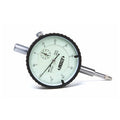
Dial Indicator
Translation missing: en.product_price.item.price.range_html
Original price
€0,00
€163,00€202,12
From €163,00€202,12
Current price
€163,00€202,12
Available
Model K 49 AD features a water-protected dial casing. The transparent front cover, made from durable plastic, provides a good seal for the dial...
View full details

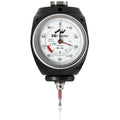
MarTest 800 EWR
Digital Dial Test Indicator iP54 Bluetooth Ø45mm
Translation missing: en.product_price.item.price.range_html
Original price
€0,00
€588,00€729,12
From €588,00€729,12
Current price
€588,00€729,12
5-8 Working days
FunctionsON/OFF, RESET (set display to zero), mm/inch, MAX/MIN memory for searching the reversal point, (MAX-MIN) for testing flatness and conc...
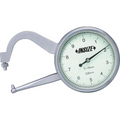
View full detailsTest dial indicators are precision instruments that measure tiny deviations via a lever/stylus, converting angular movement into a readable dial indication. They are used for centering workpieces, checking runout, parallelism and surface flatness during machine setup and inspection.
Available in multiple ranges and resolutions, with different stylus lengths and tip styles, ruby contact points, anti-magnetic options and rugged housings. Choose proven solutions from Insize, Kafer & Mahr for dependable repeatability.
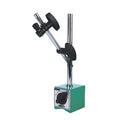
They pair well with a magnetic base or holder for accurate setup on lathes, mills and inspection benches.


