

































































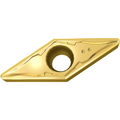


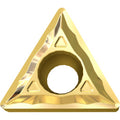


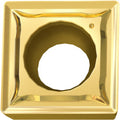











































































Countersinks

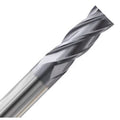
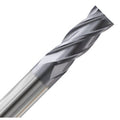
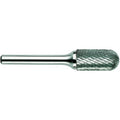
The conical countersinks - Countersinks are cutting tools used to create a conical or cylindrical hole in a material in order to allow a screw or bolt head to sit flush with the surface, or to create a chamfer. They are widely used in a variety of industries, including woodworking, metalworking, and manufacturing.
There are various Countersinks, each designed for specific applications and materials. The most common types include:
Single flute

The single flute does not vibrate at high speeds and is often used for cutting smaller holes.
Two, three or four flutes

Each additional flute increases tool life by distributing the cutting load across more edges. However, fewer flutes provide better clearance for chips when machining materials such as plastic.
Six flutes

Six flutes remove more material per rotation than conical countersinks with fewer flutes, for a smoother finish and longer tool life.

The countersink diameter must be equal to or greater than the diameter of the screw head being countersunk. Use a pilot hole that is greater than 10% of the countersink body diameter.
- 60° - For holding workpieces between centers on a lathe.
- 82° - For inch flat head and oval head screws.
- 90° - For metric flat head and oval head screws, as well as for deburring.
- 100°, 110° or 120° reverse angle - For rivets.